Why Bathroom Mold Returns After You Clean It
Understanding why mold comes back
You scrub the grout, bleach the corners, and wipe down the shower walls. A week later, black spots reappear in the same places. This cycle is frustrating, but it is not random. Bathroom mold returns because cleaning alone does not address what allows mold to grow in the first place. Mold needs moisture, a food source, and the right temperature. In a bathroom, those conditions are almost always present. When you clean without changing the underlying environment, you are only removing the visible growth, not the root cause.
Mold spores are everywhere. They float through the air and settle on surfaces. In a dry, well-ventilated space, those spores stay dormant. In a bathroom that stays damp after showers, the spores find a perfect home. The real question is not why mold returns, but why your cleaning routine does not stop it. The answer involves hidden moisture, porous materials, and ventilation that is never quite enough. Mold Removal Boston Pros
What cleaning actually removes
Most bathroom cleaners remove surface mold. They kill the visible colony and bleach away the discoloration. But mold has thread-like structures called hyphae that can penetrate into grout, caulk, and paint. These threads remain even after the surface looks clean. When the area gets wet again, the hyphae regenerate new colonies. This is why you can scrub a tile grout line until it looks white, only to see dark spots return within days.
Bleach is a common choice for bathroom cleaning, but it has limits. Bleach kills mold on non-porous surfaces like glass or glazed tile. On porous surfaces such as unsealed grout, silicone caulk, or drywall, bleach does not penetrate deeply. It also adds water to the area, which can actually feed mold deeper inside the material. Some professionals recommend hydrogen peroxide or vinegar for porous surfaces, but even those treatments cannot reach deep hyphae.
Hidden moisture is the real problem
A bathroom may look dry after you wipe the walls, but moisture hides in places you cannot see. Behind tile, inside wall cavities, under the edge of a shower pan, and inside exhaust fan ducts. Every shower produces steam that condenses on cool surfaces. Some of that moisture seeps into grout lines, cracks in caulk, and gaps around fixtures. Once inside, it takes a long time to dry because there is no air movement in those spaces.
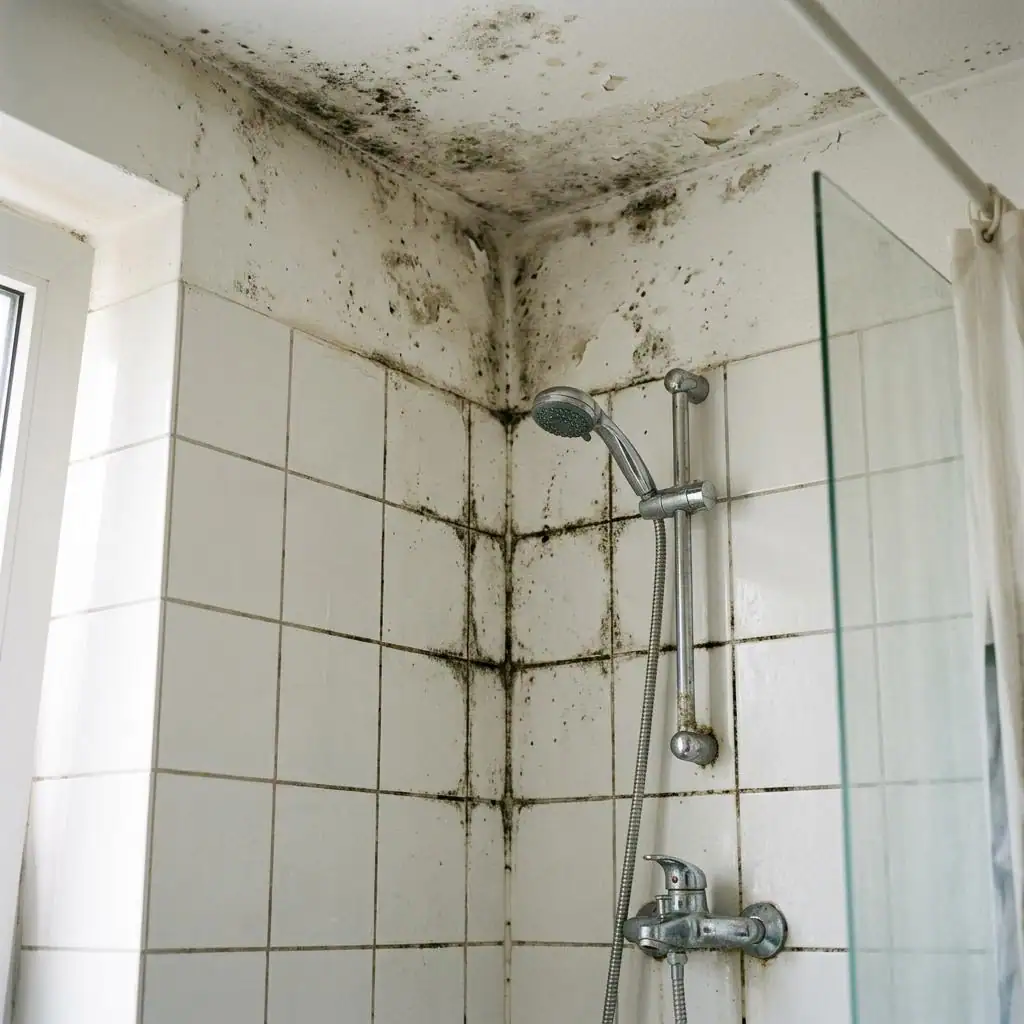
Leaks are another source of hidden moisture. A slow drip from a showerhead, a toilet tank that sweats, or a pipe connection that weeps a few drops per hour can keep a small area constantly damp. That constant dampness is ideal for mold. You may not see the leak, but mold will find it and thrive. Fixing leaks is a necessary step in any serious attempt to stop mold from returning.
Ventilation matters more than you think
Bathrooms are designed to get wet, but they are also designed to dry out. An exhaust fan that moves air to the outside is the primary drying mechanism. If the fan is weak, old, or vented into the attic instead of outdoors, it does little to remove humidity. Many bathroom fans are undersized for the room. A fan that runs for ten minutes after a shower barely makes a dent in the moisture level. The room stays humid for hours, and mold gets all the time it needs to grow.
Even a good fan is useless if it is not used. People often forget to turn it on or leave it off because it is noisy. Some fans are on a timer that shuts off too soon. The result is a bathroom that never fully dries between uses. Opening a window helps, but only if the outdoor air is dry. In humid climates, open windows do little to reduce moisture. A combination of a properly sized exhaust fan, a timer that runs at least 30 minutes after a shower, and perhaps a dehumidifier can make a real difference.
Porous materials hold onto mold
Grout, caulk, and drywall are porous. They absorb water and provide a surface for mold to grip. Over time, these materials degrade. Grout develops micro-cracks. Caulk shrinks and pulls away from tile edges. Drywall paper facing gets damp and starts to break down. Once materials are damaged, they become a permanent home for mold. Cleaning cannot restore them. The only solution is to remove and replace the affected material.
Caulk is a common culprit. It is meant to create a watertight seal, but it does not last forever. Old caulk that is cracked or peeling traps moisture behind it. Mold grows on the back side of the caulk, invisible to you, then spreads out through the cracks. Re-caulking a shower or tub every few years is a maintenance task that prevents mold from taking hold. Grout can be sealed to reduce porosity, but sealing must be repeated annually. Unsealed grout soaks up water like a sponge.
Drywall in bathrooms should be moisture-resistant, but even green board or purple board is not waterproof. If water gets behind the tile or around the tub, the drywall can stay damp indefinitely. Mold grows on the paper facing and inside the gypsum. By the time you see it on the surface, there is already a larger colony inside the wall. This is why persistent bathroom mold sometimes requires opening up the wall, removing damaged drywall, and replacing it with cement board or a waterproof backing.
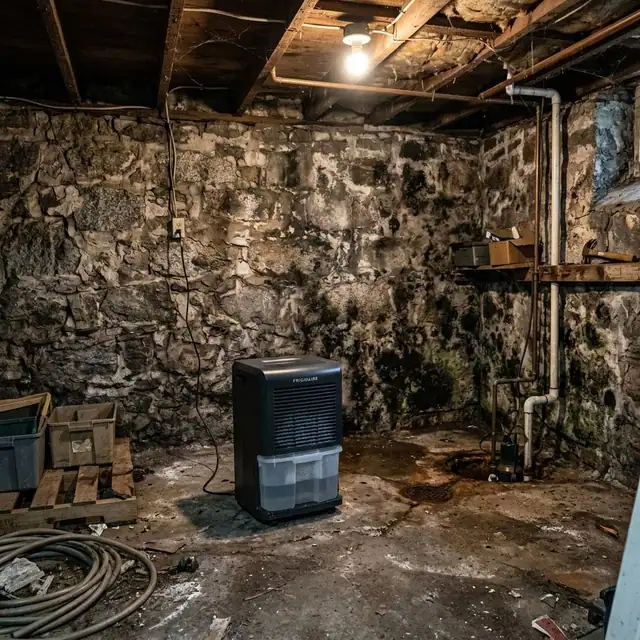
Why surface cleaning is not enough
The cycle of clean and regrow continues until you address the conditions that allow mold to thrive. Surface cleaning is like mowing a lawn without pulling the weeds. The visible part is gone, but the root system remains. For bathroom mold, the roots are the hyphae in the pores and the moisture that keeps them alive. Killing the surface mold is temporary. Drying the space and repairing damaged materials is permanent.
If you have cleaned your bathroom thoroughly and mold still returns, it is time to look beyond the cleaning products. Check for leaks. Test your exhaust fan. Look at the caulk and grout for cracks. Consider whether the room has enough air movement. These are the factors that determine whether mold comes back or stays away. A single cleaning, no matter how aggressive, cannot overcome a constantly damp environment.
For bathrooms that have chronic mold problems, professionals like Mold Removal Boston Pros assess the whole situation. They do not just clean the surface. They look for hidden moisture, test ventilation, and identify materials that need replacement. Their approach matches what the science says: mold remediation requires removing the conditions for growth, not just the visible growth itself. That is why a one-time cleaning often fails and why a comprehensive approach works better.
What you can do differently
Start by improving ventilation. Run the exhaust fan during every shower and for at least 30 minutes afterward. If your fan is old or noisy, replace it with a quieter, higher-CFM model that vents outside. Leave the bathroom door open after a shower to let air circulate. Wipe down shower walls with a squeegee after each use. This removes standing water and cuts down on the moisture that feeds mold.
Check caulk and grout every few months. If you see cracks, peeling, or discoloration, replace them. Use a quality silicone caulk designed for wet areas. Seal grout after installation and reseal it once a year. If you have a shower pan or tub that is not draining properly, fix the drainage issue. Standing water in the pan creates a humid microclimate that encourages mold.
Look for hidden leaks. Check under the sink, around the toilet base, and behind the shower control plate. A leaky pipe or a loose connection can keep a small area wet for weeks. Even a small leak adds enough moisture to support mold growth. Fixing leaks is straightforward and often solves a mold problem that cleaning could not touch.
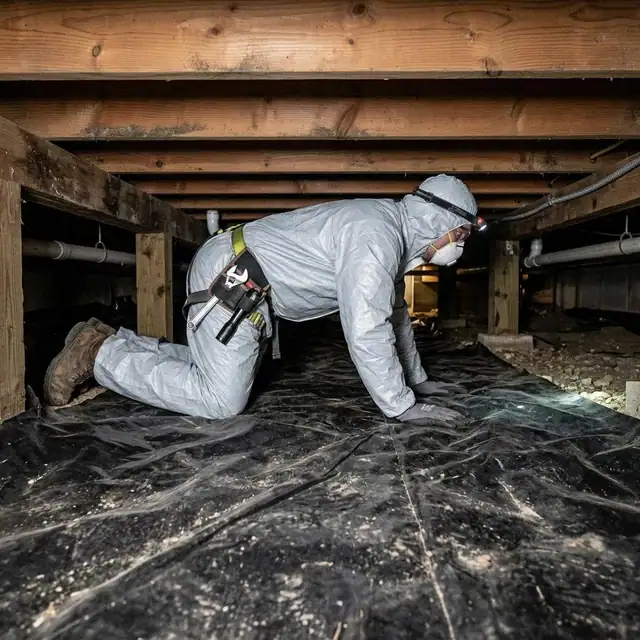
If mold is growing on the ceiling above the shower, the problem is almost always steam that cannot escape. The ceiling stays damp long after the shower ends. A better exhaust fan or a longer run time usually fixes this. If the ceiling is already stained and moldy, you may need to clean it with a mold-specific cleaner and then repaint with a mold-resistant paint.
When mold keeps coming back despite all these steps, the issue may be inside the wall or behind the tile. That is the point where a professional assessment makes sense. Companies like Mold Removal Boston Pros can test for hidden moisture and recommend repairs that go beyond surface cleaning. In some cases, removing a section of tile or drywall and replacing it with waterproof materials is the only way to stop the cycle.
The short answer
Bathroom mold keeps coming back because cleaning does not address the moisture, damaged materials, or poor ventilation that allow it to grow. The mold you see is the symptom, not the problem. To stop the cycle, you need to dry the room thoroughly, repair or replace porous materials that hold mold, and fix any hidden leaks. Surface cleaning alone cannot overcome a persistently damp environment. If you address the root causes, the mold stops returning. If you only clean, you will be cleaning again next week.